How whisky is made, how to taste it, and how to tell what you are actually paying for.
Whisky Guides
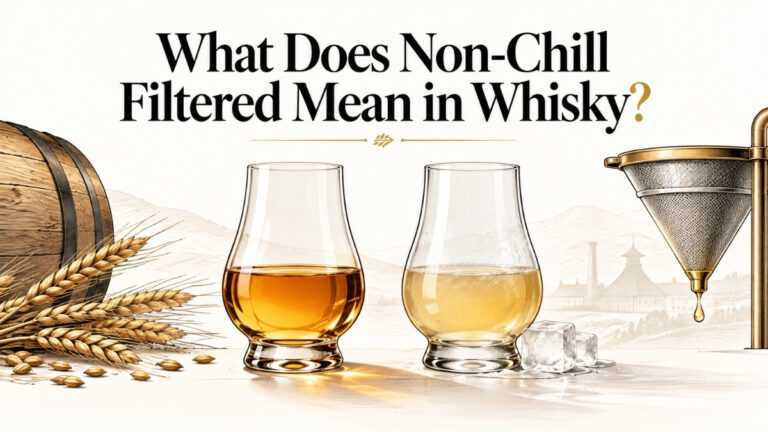
What Does Non-Chill Filtered Mean in Whisky?
“Non-chill filtered” means the whisky was bottled without chill filtration — a step in which whisky is cooled and passed through a…
Japanese Whisky Guide: Styles, Brands & Bottles to Know
Japanese whisky has gone from a niche curiosity to one of the most talked-about whisky categories in the world, but “Japanese whisky”…
Islay Scotch Brands: A Guide to the Island’s Whisky Styles
Islay is Scotland’s most famous whisky island, and its reputation is built almost entirely on peat smoke. That reputation is earned, but…
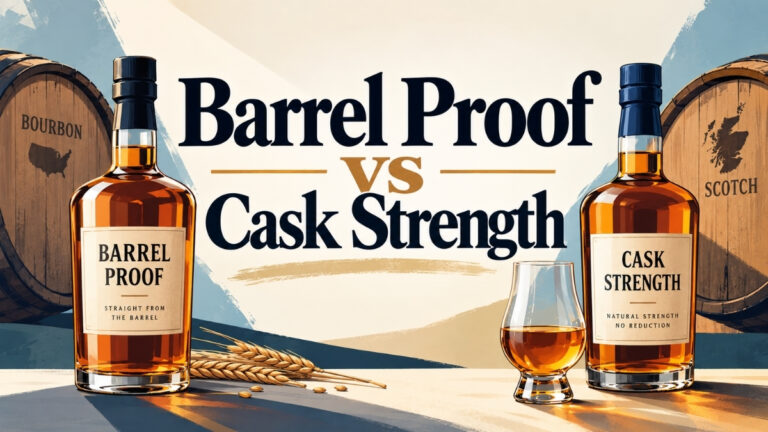
Barrel Proof vs Cask Strength: What’s the Difference?
In everyday whisky conversation, “barrel proof” and “cask strength” mean the same basic thing: whisky bottled at or very close to the…
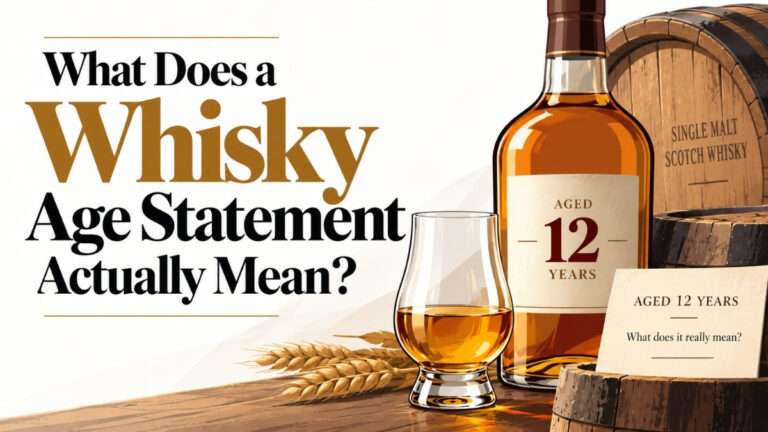
What Does a Whisky Age Statement Actually Mean?
The number on a whisky label — “12 Years Old,” “18 Years Old” — tells you one specific thing: the youngest whisky…
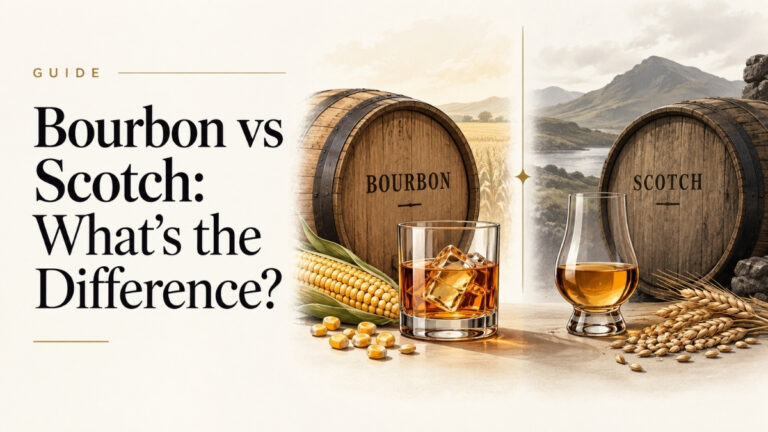
Bourbon vs Scotch: What’s the Difference?
Bourbon and Scotch are both whisk(e)y, but they’re built on almost entirely different rulebooks. Bourbon is an American whiskey category, legally defined…
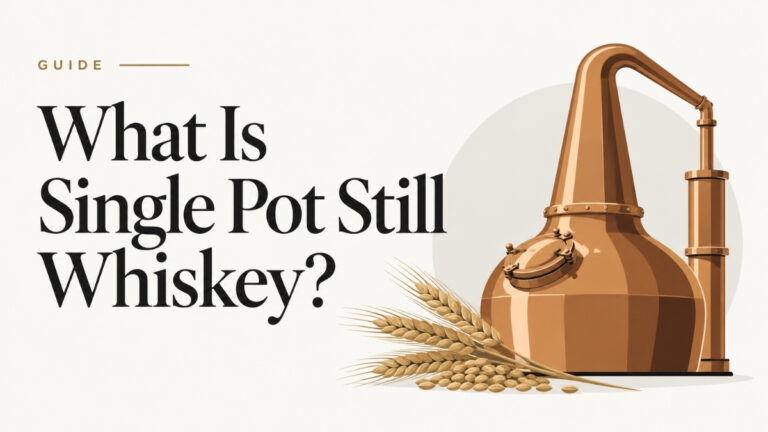
What Is Single Pot Still Whiskey?
Single pot still whiskey is an Irish whiskey style made from both malted and unmalted barley, mashed, fermented and distilled at a…
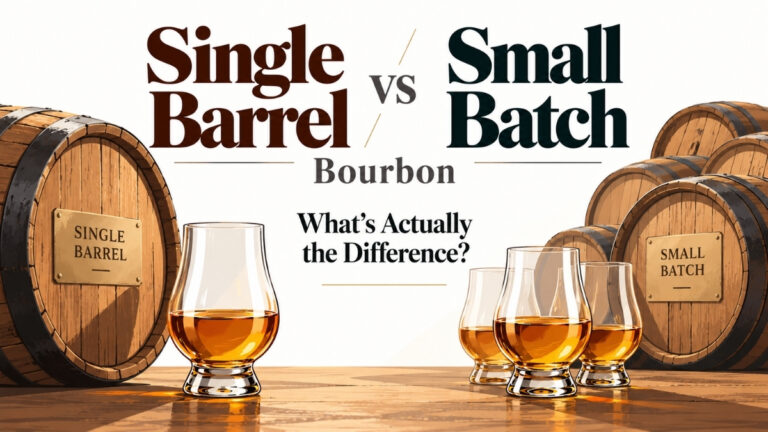
Single Barrel vs Small Batch Bourbon: What’s Actually the Difference?
Single-barrel bourbon conventionally comes from one individual barrel rather than a blend of many. Small batch generally refers to a producer-selected batch…